
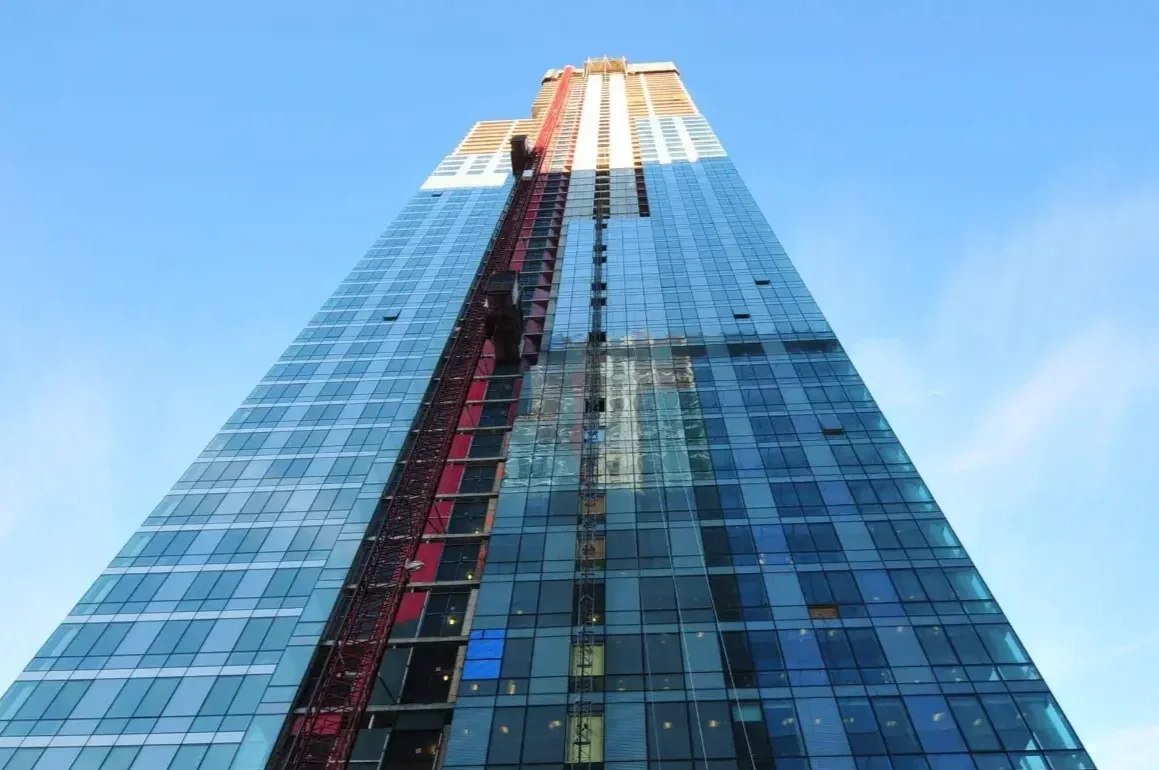
Urban residential development presents opportunities that are difficult to replicate in other markets. Access to transportation, employment centers, entertainment districts, and growing communities continue to drive demand for multifamily housing throughout New York City and the surrounding metropolitan region.
Yet while the finished buildings may become landmarks within their neighborhoods, the process of bringing them to life is rarely straightforward.
From limited site access and dense infrastructure to stakeholder coordination and logistical constraints, urban residential construction introduces a unique set of challenges that require careful planning long before construction begins.
For owners and developers, understanding these complexities is critical to achieving successful project outcomes.
Why Urban Residential Projects Are Different
Every construction project comes with challenges, but residential developments in dense urban environments operate within a much different set of conditions than suburban or greenfield projects.
In many cases, construction teams are working within active neighborhoods surrounded by existing buildings, busy streets, underground utilities, and constant pedestrian activity. Space is limited, access points are constrained, and every decision can affect multiple stakeholders.
Unlike projects with abundant room for equipment, materials, and staging areas, urban development requires teams to maximize efficiency within extremely tight footprints.
At the same time, developers must navigate permitting requirements, municipal regulations, neighborhood considerations, and evolving market expectations, all while maintaining project schedules and financial objectives.
The result is a construction environment where coordination becomes just as important as construction itself.
Managing Logistics in Tight Urban Environments
One of the greatest challenges facing urban residential developments is logistics.
A successful project is not simply about constructing the building. It is about managing the flow of people, materials, equipment, and information throughout every phase of construction.
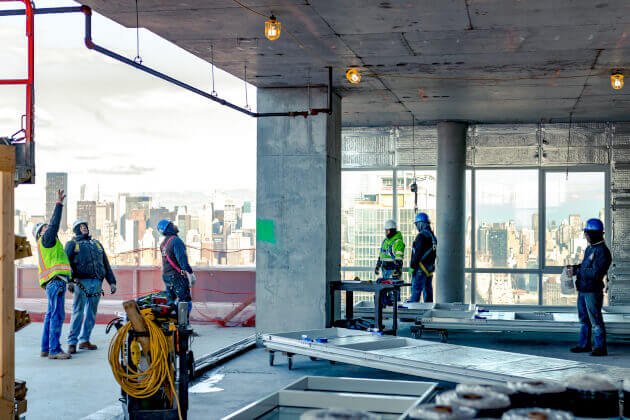
Material deliveries must often be carefully scheduled to avoid traffic congestion and site bottlenecks. Staging areas may be limited or nonexistent. Equipment placement becomes a strategic decision rather than a simple operational task.
Safety considerations also take on additional importance when construction activities occur alongside active streets, adjacent properties, and ongoing community activity.
Without proper planning, even minor logistical issues can impact schedules, increase costs, and create unnecessary project risks.
This is why experienced construction management teams place significant emphasis on preconstruction planning, identifying potential challenges early and developing strategies to address them before they affect project performance.
The Stakeholder Coordination Challenge
Urban residential projects bring together a wide range of stakeholders, each with their own priorities and expectations.
Owners and developers are focused on investment objectives and project timelines.
Architects and design teams are committed to achieving project vision and functionality.
Municipal agencies oversee regulatory compliance and community considerations.
Residents and neighboring businesses often have concerns regarding noise, access, traffic, and construction activities.
Successfully balancing these interests requires proactive communication and a clear process for managing expectations throughout the project lifecycle.
When communication breaks down, delays and conflicts often follow. When communication remains strong, stakeholders can work collaboratively to solve challenges before they escalate into larger issues.
For this reason, communication should be viewed as a project management tool rather than simply an administrative function.
Balancing Schedule, Cost, and Quality
Every owner faces the same fundamental challenge: delivering a project on time, within budget, and to the expected level of quality.
Achieving that balance becomes significantly more difficult when projects are located within complex urban environments.
Unexpected conditions, utility conflicts, supply chain considerations, labor coordination, permitting requirements, and neighborhood impacts all have the potential to affect project performance.
The most successful projects are often the result of thorough preconstruction planning, realistic scheduling, proactive risk management, and continuous coordination among project teams.
Rather than reacting to challenges as they arise, experienced construction management teams focus on identifying potential obstacles early and implementing strategies that reduce uncertainty throughout construction.
This proactive approach helps create a framework for long-term project success.
What Owners Should Consider Before Construction Begins
For developers and property owners, many of the most important project decisions occur before the first shovel reaches the ground.
Partner selection, preconstruction planning, scheduling strategy, risk assessment, and stakeholder coordination all play an important role in determining project outcomes.
Owners should seek project partners who understand not only the technical aspects of construction, but also the logistical and communication demands associated with urban development.
The ability to coordinate multiple stakeholders, anticipate challenges, and maintain project momentum can have a significant impact on schedule performance, cost control, and overall project success.
Most importantly, owners should view preconstruction planning as an investment rather than an expense. The time spent identifying opportunities and mitigating risks early often delivers substantial value throughout the life of the project.

Building for Long-Term Success
Urban residential construction requires more than technical expertise. It requires planning, communication, coordination, and a deep understanding of the environment where these projects are built.
As demand for residential development continues throughout New York City and the surrounding metropolitan region, project complexity is unlikely to decrease. If anything, it will continue to grow.
For owners and developers, success increasingly depends on selecting partners who can navigate those complexities while keeping projects aligned with their long-term goals.