
Building Healthcare Environments That Support Better Outcomes: Lessons from the Artis Assisted Living Project
Healthcare and senior living facilities continue to experience growing demand as providers seek to serve aging populations, improve resident experiences, and adapt to evolving care models. At the same time, owners face increasing pressure to create environments that are safe, functional, compliant, and capable of supporting long-term operational goals.
Unlike traditional commercial construction, healthcare projects require specialized expertise that considers far more than the building itself. Every design decision, material selection, and construction activity can influence resident well-being, staff efficiency, and facility performance for years to come.
For construction managers, success means balancing operational requirements, regulatory compliance, occupant safety, and long-term facility performance. It requires a disciplined approach that begins long before construction starts and continues through project completion.
The Unique Challenges of Healthcare Construction
Healthcare and senior living facilities present a unique set of challenges that distinguish them from many other commercial projects. While quality construction remains a baseline expectation, project teams must also understand the specialized requirements that impact daily operations and occupant well-being.
Resident comfort and safety remain top priorities. Spaces must support daily living activities while creating environments that feel welcoming, secure, and easy to navigate. For assisted living and memory care facilities in particular, thoughtful layouts and carefully planned community spaces contribute directly to quality of life.
Healthcare projects must also account for infection prevention strategies, specialized building systems, and stringent regulatory oversight. Compliance with Department of Health requirements, life safety standards, inspections, and documentation protocols requires disciplined project management from planning through occupancy.
Adding to this complexity is the number of stakeholders involved. Healthcare projects often bring together ownership groups, facility administrators, engineering teams, clinical staff, consultants, and regulatory agencies. Effective communication among these groups is essential to maintaining alignment throughout the project lifecycle.
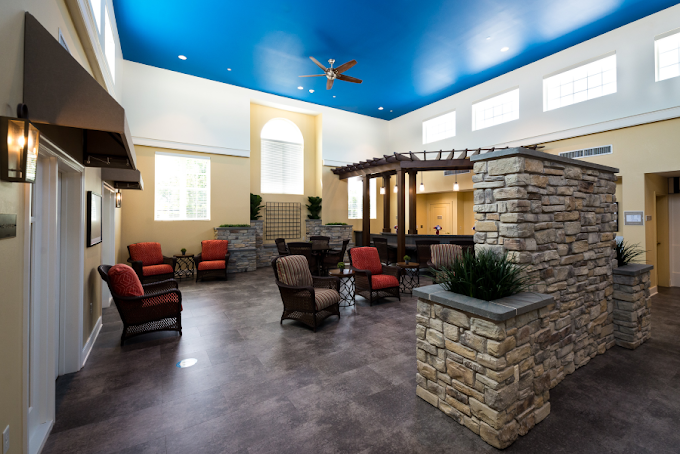
Artis Assisted Living, Commack
Healthcare and senior living facilities present a unique set of challenges that distinguish them from many other commercial projects.
While quality construction remains a baseline expectation, project teams must also understand the specialized requirements that impact daily operations and occupant well-being.
Lessons from the Artis Assisted Living Project
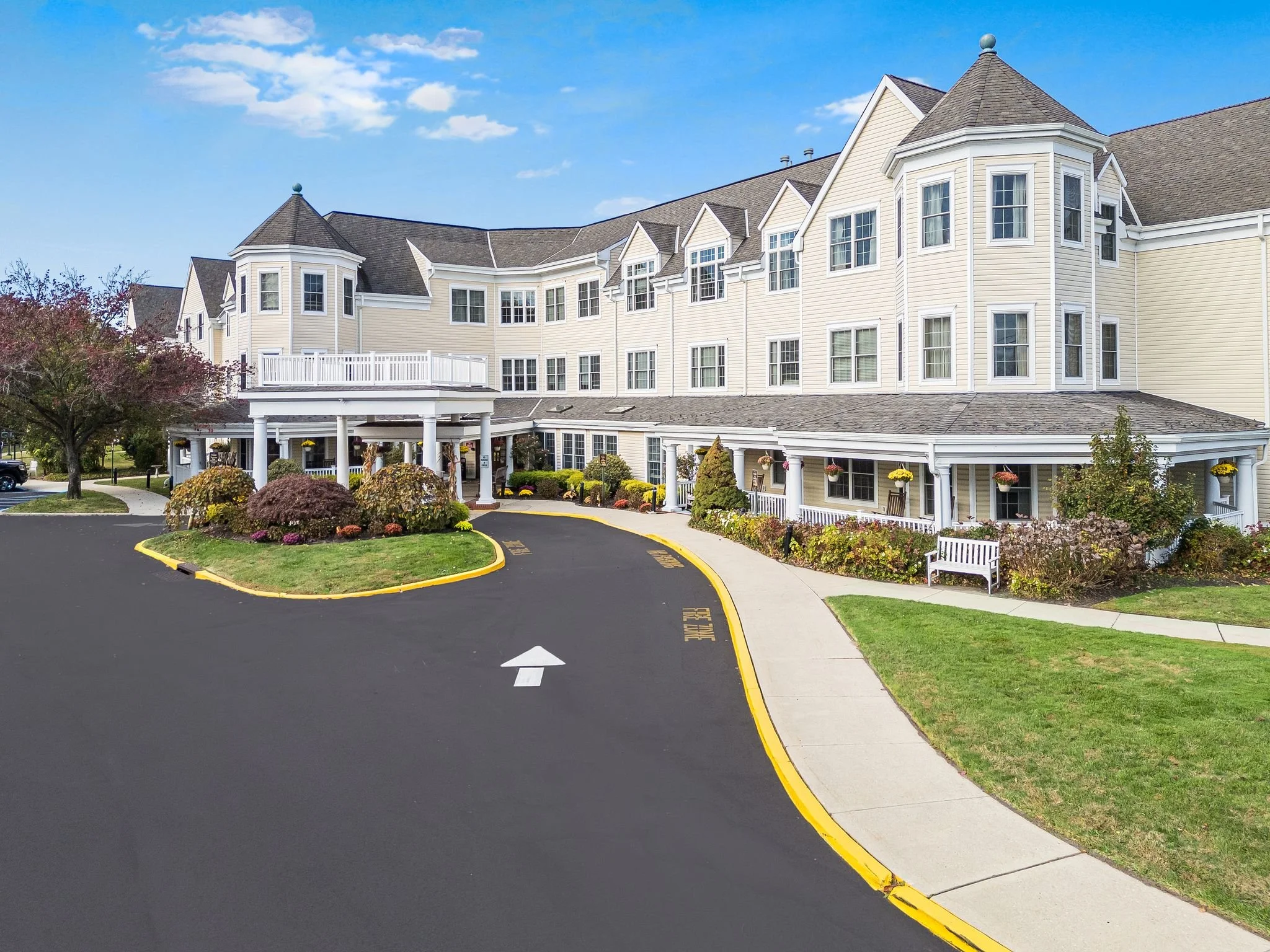
The Artis Assisted Living Facility in Commack demonstrates many of the principles that define successful healthcare and senior living construction. Completed by J. Petrocelli Contracting, the project was designed to support residents while providing owners with a durable, high-performing facility.
Key project characteristics included:
36,855-square-foot assisted living and memory care facility
Two-story building with a 64-bed capacity
Four residential wings connected by a central core
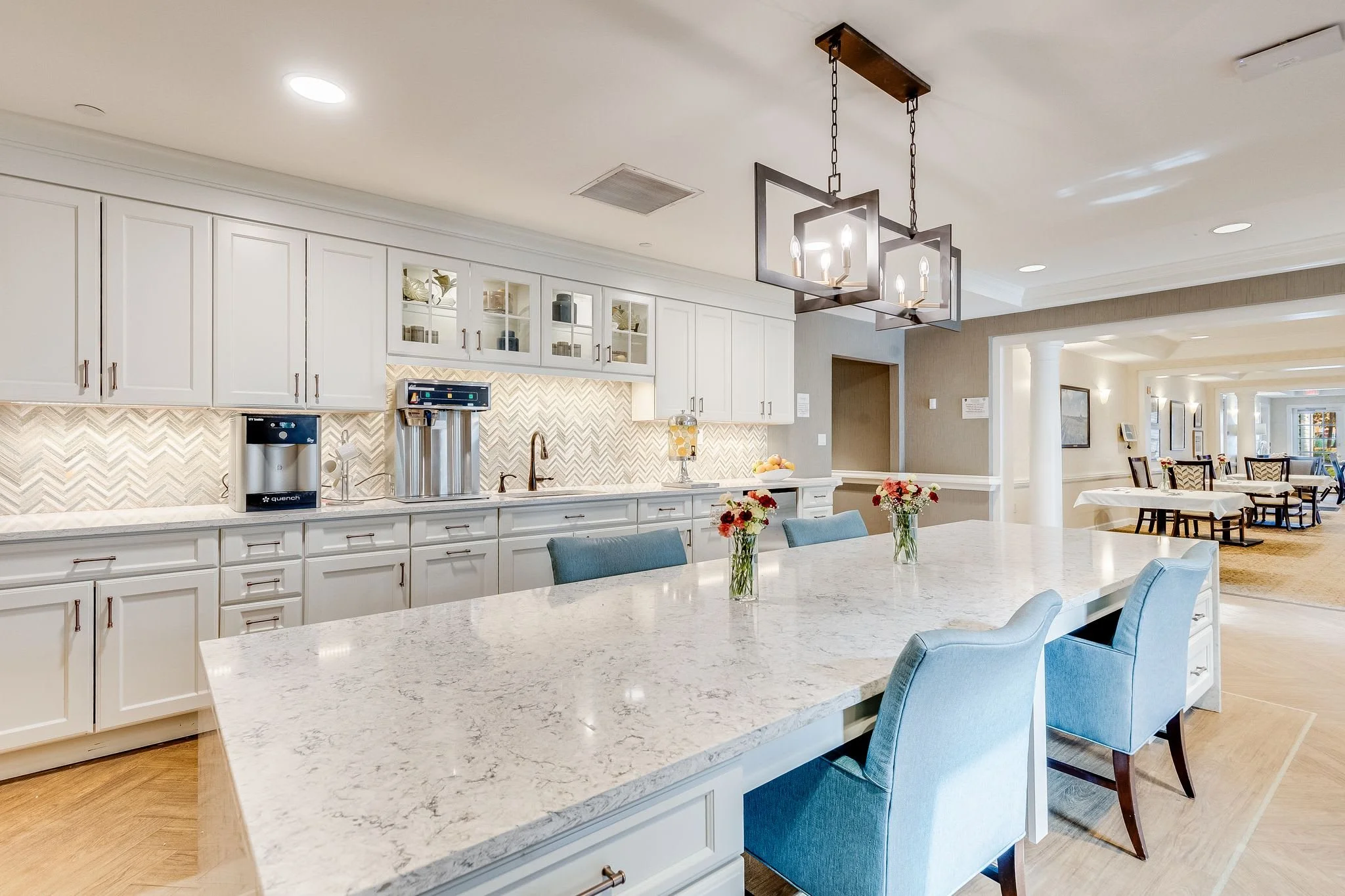
Community-focused amenities including dining rooms, family rooms, activity spaces, health center, café, and wellness services
On-site independent sewage treatment plant
Delivered on budget within a 16-month construction schedule
While every healthcare project has unique requirements, facilities such as Artis highlight the importance of combining resident-centered design with operational efficiency and long-term durability.
Designing for Long-Term Care
When evaluating healthcare and senior living facilities, owners should focus on four core design priorities:
1. Durability
Healthcare environments experience constant use. Material selections and building systems should be chosen with longevity in mind, helping reduce maintenance requirements while preserving the facility's appearance and performance over time.
2. Accessibility
Accessibility is not simply a regulatory requirement. Effective healthcare facilities create safe, intuitive environments that support mobility, independence, and ease of movement for residents, visitors, and staff.
3. Flexibility
Healthcare needs continue to evolve. Facilities that incorporate adaptable layouts and scalable infrastructure are often better positioned to accommodate future operational changes, technology upgrades, and evolving care models.
4. Operational Efficiency
Successful healthcare facilities support both resident care and staff productivity. Efficient circulation patterns, thoughtfully organized support spaces, and well-planned community areas help improve workflows while enhancing the occupant experience.
Managing Construction in Sensitive Environments
Healthcare projects demand an elevated level of planning and risk management. Whether constructing new facilities or renovating occupied spaces, project teams must proactively address factors that can affect operations, safety, and performance.
Successful healthcare construction typically focuses on several key areas:
Communication Planning to keep stakeholders aligned throughout the project.
Safety Protocols that protect occupants, visitors, and construction personnel.
Schedule Coordination that accounts for specialized systems, inspections, and regulatory reviews.
Risk Mitigation Strategies that identify potential challenges early and minimize project disruptions.
For healthcare-focused contractors, these considerations often begin during preconstruction. Early planning helps establish clear logistics strategies, identify risks before they become costly problems, and create realistic schedules that support successful project delivery.
At JPC, this approach includes expertise in phased construction planning, operational continuity, infection control considerations, and the coordination of highly technical building systems commonly found in healthcare environments. These disciplines become particularly important when facilities must remain operational throughout construction activities.
What Owners Should Consider When Selecting a Construction Partner
Choosing the right construction manager can have a lasting impact on both the project itself and the facility's long-term performance. Owners should evaluate potential partners based on several important criteria:
Healthcare Experience: Construction teams with healthcare-specific experience understand the regulatory, operational, and technical demands unique to these facilities.
Early Planning Capabilities: Many project challenges can be identified and addressed during preconstruction. The collaborative planning process often reduces risk and improves project outcomes.
Long-Term Operational Thinking: Buildings should be evaluated based on how they will perform over decades of use, not simply their initial construction cost.
Experience in Occupied Environments: For renovation and expansion projects, the ability to maintain operations while construction is underway can be critical to project success.
Healthcare and senior living projects require more than technical construction expertise. They demand thoughtful planning, rigorous coordination, regulatory knowledge, and a deep understanding of how the built environment impacts residents, caregivers, and facility operators.
Projects such as the Artis Assisted Living Facility in Commack demonstrate how careful planning and disciplined execution can help create environments that support quality care while delivering long-term value for ownership groups. As healthcare needs continue to evolve, owners who prioritize specialized expertise and proactive planning will be best positioned to create facilities that serve their communities for years to come.
Planning a healthcare, senior living, or an assisted living project? Early collaboration can help identify risks, improve constructability, and support long-term operational success. Contact J. Petrocelli Contracting to learn more about our healthcare construction and pre-construction services.