
The Evolution of Healthcare Construction: Trends Shaping Facilities in 2027 and Beyond
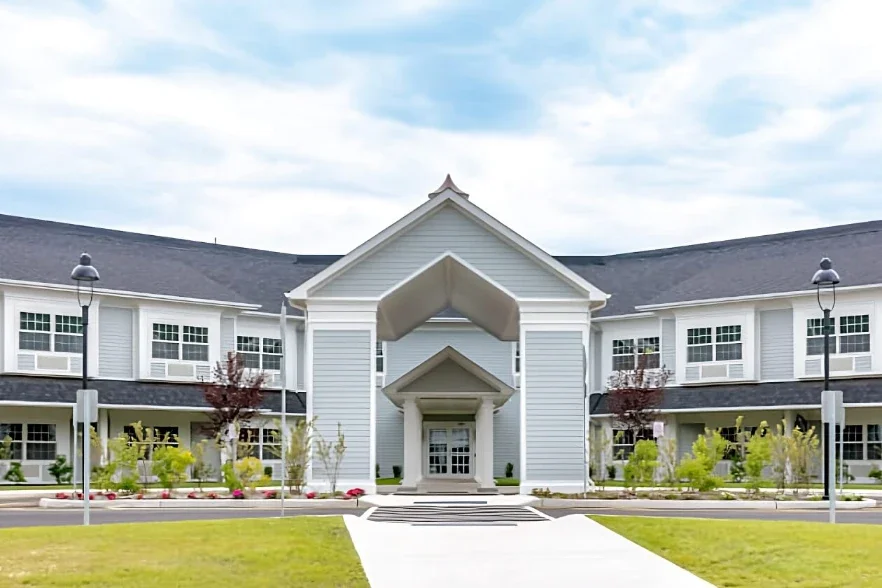
Westhampton Senior Living
Healthcare facilities are evolving at a rapid pace. Advances in technology, changing patient expectations, workforce challenges, and ongoing pressure to improve operational efficiency are reshaping how healthcare environments are designed and constructed.
For healthcare owners and operators, construction decisions are no longer just about today's needs. Facilities must be planned with flexibility and long-term adaptability in mind to ensure they continue supporting patients, staff, and communities well into the future.
As organizations evaluate new construction, renovations, and facility expansions, several emerging trends are influencing how healthcare environments are being designed, built, and operated. Understanding these trends can help owners make informed decisions that deliver value for years to come.
Six Trends Shaping the Future of Healthcare Construction
1. Flexible Spaces That Adapt to Changing Needs
Healthcare providers increasingly require facilities that can evolve over time without major disruptions or costly renovations. As care models continue to change, buildings must be capable of supporting both current operations and future demands.
Key priorities include:
Multi-purpose treatment and support spaces
Adaptable layouts that accommodate future growth
Design strategies that support changing care delivery models
Long-term operational flexibility
Facilities designed with adaptability in mind can respond more effectively to evolving services, fluctuating patient volumes, and emerging technologies without requiring extensive reconstruction. For owners, that flexibility can provide both operational and financial advantages over the life of the facility.
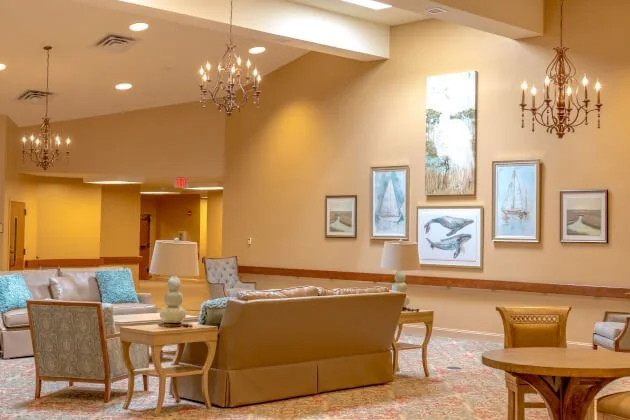
Interior, Westhampton Senior Living
2. Greater Technology Integration
Technology continues to play an increasingly important role in healthcare delivery, communication, and facility management. As digital platforms evolve, healthcare facilities must be designed with the infrastructure necessary to support both current and future technological requirements.
Areas of focus include:
Telehealth infrastructure and connectivity
Smart building systems
Enhanced data management capabilities
Digital monitoring and patient support technologies
Collaboration between design, engineering, and construction teams
The challenge is not simply integrating technology today. Healthcare owners must ensure that facilities have the capacity to accommodate future innovations without requiring significant upgrades to building systems or infrastructure.
As a result, technology planning is becoming an increasingly important component of preconstruction and facility design discussions.
3. Patient-Centered Design Is Driving Decision-Making
Modern healthcare environments are increasingly designed around the patient’s experience. While clinical outcomes remain the primary objective, facility owners recognize that the built environment can significantly influence how patients, visitors, and caregivers experience spaces.
Today's healthcare facilities are placing greater emphasis on:
Comfortable and welcoming environments
Improved accessibility
Intuitive wayfinding and navigation
Natural light and wellness-oriented design features
Balancing clinical requirements with occupant comfort
These considerations help create spaces that feel less institutional while maintaining the functionality necessary to support healthcare delivery. In many cases, thoughtful design can improve patient satisfaction while also enhancing operational effectiveness for staff.
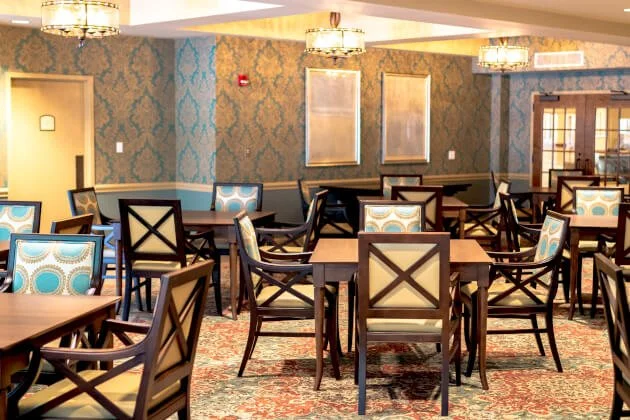
Dining Room, Westhampton Senior Living
4. Sustainability and Operational Efficiency
Healthcare facilities operate around the clock, making energy performance and operational efficiency critical considerations for long-term owners. As organizations face increasing pressure to manage costs and meet sustainability objectives, building performance has become a major focus during planning and construction.
Key priorities often include:
Energy-efficient building systems
Sustainable material selection
Resiliency planning
Reduced lifecycle costs
Long-term maintenance considerations
The conversation has expanded beyond initial construction costs. Healthcare owners are increasingly evaluating how facilities will perform over decades of operation, recognizing that maintenance costs, utility expenses, and system longevity can significantly impact total ownership costs.
Facilities that incorporate sustainability and efficiency measures early in the planning process are often better positioned to deliver lasting value.
5. Designing Facilities That Support the Workforce
Healthcare workforce recruitment and retention have become major priorities across the industry. While compensation and organizational culture remain important factors, facility design also plays a meaningful role in supporting healthcare professionals.
Many organizations are focusing on:
Staff wellness considerations
Comfortable break rooms and support spaces
Efficient clinical workflows
Reduced staff travel distances
Environments that encourage productivity and collaboration
The goal is to create workplaces that help reduce unnecessary stress while enabling staff to focus on patient care. Even relatively small design decisions can contribute to improved daily experiences for healthcare professionals working in demanding environments.
As workforce challenges remain a concern across the healthcare sector, facilities that support employees effectively may gain a competitive advantage in attracting and retaining talent.
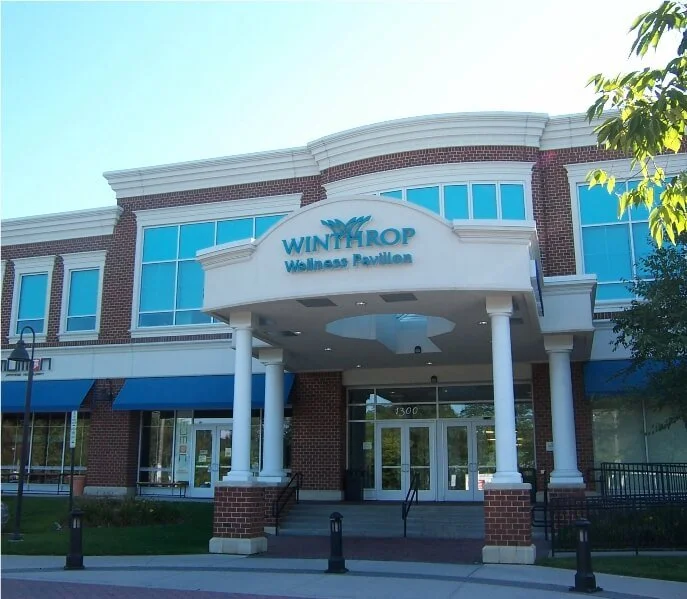
Winthrop Hospital Wellness Center
6. Future-Ready Infrastructure Planning
Perhaps the most significant trend shaping healthcare construction is the recognition that facilities must be prepared for change.
Healthcare delivery will continue to evolve over the coming decades, making long-term planning more important than ever. Owners are increasingly evaluating projects through the lens of flexibility, scalability, and resilience.
Future-ready planning often includes:
Designing for future expansion
Infrastructure capacity planning
Scalable building systems
Long-term capital planning strategies
Risk mitigation through proactive design and construction planning
The most successful healthcare facilities are often those that can adapt to changing circumstances without requiring constant renovation or major operational disruptions.
By investing in future-ready infrastructure today, healthcare organizations can create facilities that remain functional, efficient, and relevant for many years to come.
What Healthcare Owners Should Consider Today
As healthcare construction continues to evolve, facility owners should evaluate projects through both a short-term and long-term lens. Decisions made during planning and design can have lasting impacts on operations, patient experiences, maintenance costs, and future flexibility.
Before moving forward with a project, owners should consider the following questions:
How adaptable is the facility to future operational needs?
Can new technologies be integrated easily as healthcare delivery evolves?
Does the design support both patients and staff effectively?
Are sustainability goals and lifecycle costs being evaluated alongside initial budgets?
Is the project team planning beyond immediate requirements?
The answers to these questions can help shape facilities that continue delivering value long after construction is complete.
The future of healthcare construction is centered on adaptability, technology, patient experience, operational efficiency, workforce support, and long-term resilience. Organizations that prioritize these considerations today will be better positioned to meet the demands of tomorrow.
For healthcare owners, construction decisions are increasingly about preparing for the future rather than addressing only immediate needs. Facilities that can evolve alongside changing technologies, care models, and operational requirements will be best equipped to serve their communities for decades to come.
Selecting a construction partner that understands these trends can help organizations navigate complex project requirements while creating facilities that remain functional, efficient, and adaptable long after occupancy.
Planning a healthcare, senior living, or an assisted living project? Early collaboration can help identify risks, improve constructability, and support long-term operational success. Contact J. Petrocelli Contracting to learn more about our healthcare construction and pre-construction services.
J. Petrocelli Contracting's experience in healthcare and senior living construction helps clients navigate complex project requirements while creating facilities designed to support the future of care delivery.