
Building Retail Spaces While Business Never Stops
Lessons from a Large-Scale Supermarket Construction
Retail construction is unlike almost any other building sector. Success is measured not only by the quality of the finished facility, but by how effectively teams manage schedules, budgets, logistics, and stakeholder expectations throughout the process.
For grocery and supermarket operators, the challenge becomes even more complex. New stores represent significant investments in growth, customer experience, workforce planning, and operational readiness. Every week of delay can impact business objectives, while poor coordination can create ripple effects across multiple stakeholders.
The most successful retail construction projects share a common characteristic: they are built around proactive planning, disciplined execution, and a construction management strategy designed to keep progress moving without compromising quality.
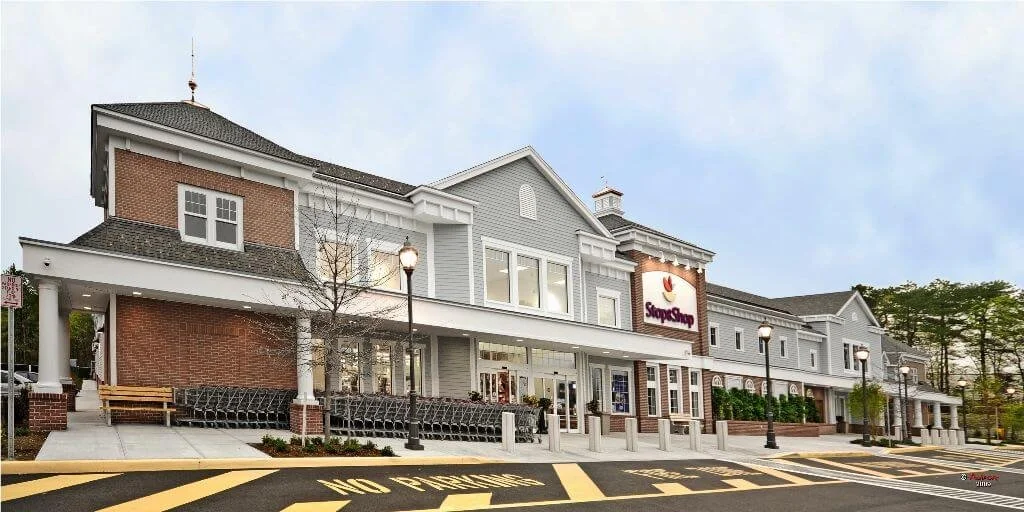
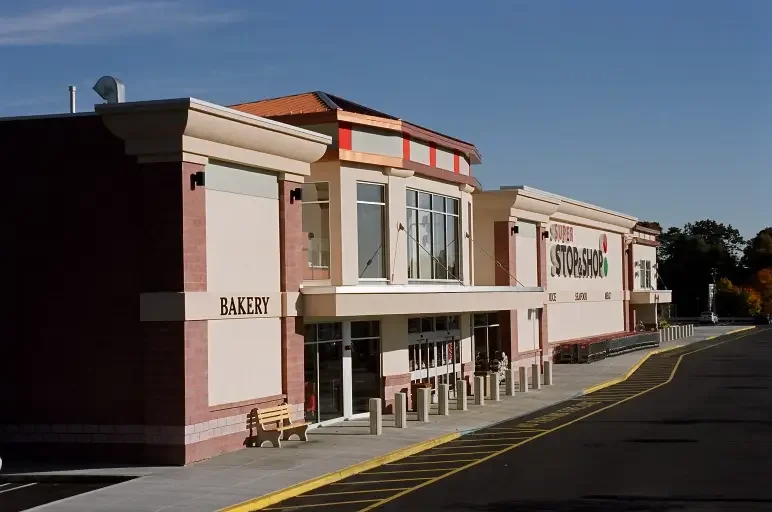
Projects like J. Petrocelli Contracting's work with Stop & Shop Supermarkets demonstrate why these principles are critical when delivering large-format retail facilities on accelerated schedules. The projects included approximately 70,000-square-foot stores, managed through preconstruction planning, budgeting, ground-up construction, and full project supervision on fast-track schedules averaging about 32 weeks per location. The projects were completed on time and within budget.
While every retail project is unique, the lessons learned from these types of construction programs apply broadly to owners, developers, and facilities leaders across the retail sector.
The Reality of Retail Construction
Retail buildings may appear straightforward from the outside, but behind every successful opening is a highly coordinated effort involving designers, engineers, vendors, contractors, suppliers, regulators, and ownership teams.
Unlike many other project types, retail facilities operate on business-driven timelines. Construction schedules are often tied directly to leasing requirements, expansion plans, market opportunities, and projected revenue goals.
As a result, construction delays can affect much more than a project schedule.
They can impact:
Store opening dates
Hiring and staffing plans
Marketing campaigns
Vendor coordination
Inventory management
Revenue projections
As a result, construction management becomes a business function as much as a building function.
Planning Determines Success
Strong preconstruction planning allows teams to evaluate risks, establish realistic schedules, develop budgets, identify critical milestones, and align expectations among all stakeholders.
Why Planning Determines Success
Many project challenges that surface during construction can be traced back to decisions made long before work begins.
Strong preconstruction planning allows teams to evaluate risks, establish realistic schedules, develop budgets, identify critical milestones, and align expectations among all stakeholders.
This planning phase creates a roadmap that helps teams make informed decisions when challenges inevitably arise.
When owners prioritize preconstruction, they gain a clearer understanding of:
Project scope
Schedule requirements
Budget expectations
Site constraints
Procurement timelines
Potential project risks
The result is a more predictable path from concept to completion.
Large-scale retail projects require significant coordination, making early planning one of the most valuable investments a project team can make.
Fast-Track Construction Requires Precision
Many retail owners face pressure to bring new locations online quickly.
Fast-track schedules can create substantial business advantages, but they also increase project complexity.
The Stop & Shop projects managed by J. Petrocelli were delivered on schedules averaging approximately 32 weeks per store.
Delivering projects within accelerated timelines requires more than simply asking teams to work faster.
It requires:
Clear Scheduling: Every task must be properly sequenced and coordinated. Small delays can quickly cascade into larger schedule disruptions if not identified early.
Proactive Communication: Project teams must maintain constant communication among ownership, designers, field personnel, and trade partners. The sooner potential issues are identified, the easier they are to resolve.
Strong Field Leadership: Construction managers play a critical role in maintaining momentum, coordinating activity, and ensuring work progresses according to plan. Field leadership often becomes the difference between a schedule that remains on track and one that falls behind.
Accountability Across Teams: Successful fast-track projects depend on shared accountability. Every stakeholder must understand project goals, timelines, and responsibilities to keep work moving efficiently.
Consistency Matters More Than Many Owners Realize: A retail brand is built on customer expectations. Customers expect consistency when they visit a location, regardless of where that location is built. Construction programs that span multiple projects require the same level of consistency behind the scenes.
Owners need confidence that construction teams can repeatedly deliver quality workmanship, reliable schedules, budget discipline, safety performance, and effective communication.
The ability to execute consistently across multiple projects becomes especially valuable for expanding retailers seeking predictable outcomes.
A repeatable construction management process creates greater certainty and reduces risk as project portfolios grow.
Managing Risk Through Construction Management
Every construction project contains risk. The question is not whether challenges will arise. The question is how effectively teams respond when they do.
Construction management helps reduce risk through:
Schedule Oversight: Continuous monitoring helps identify potential delays before they affect project milestones.
Budget Visibility: Owners benefit from greater transparency and informed decision-making throughout the project lifecycle.
Coordination of Stakeholders: Effective construction management helps align architects, engineers, contractors, suppliers, and ownership representatives toward common project goals.
Quality Control: Regular oversight helps ensure work meets project requirements and performance expectations.
Safety Management: A strong safety culture protects workers, stakeholders, and project schedules alike.
Together, these functions create a framework that allows projects to move forward with greater predictability and fewer surprises.
What Retail Owners Should Look for in a Construction Partner
The right partner understands that construction success is not simply about completing a building. It is about supporting the owner's broader business objectives.
That perspective can have a significant impact on project outcomes.
Retail construction demands a combination of planning, coordination, communication, and disciplined execution. As projects become larger and schedules become more aggressive, these capabilities become increasingly important.
J. Petrocelli Contracting's work with Stop & Shop Supermarkets illustrates the value of a structured construction management approach. Through preconstruction services, budgeting, ground-up construction, full project supervision, and management of accelerated schedules, the team successfully delivered large-format supermarket projects across Long Island on time and within budget.
For retail owners, developers, and facilities leaders, the lesson is clear: successful projects are rarely the result of good fortune. They are the result of experienced teams, proactive planning, and a commitment to managing complexity before it becomes disruption.