
Building While Campus Life Continues: Lessons from the Callahan Library Renovation
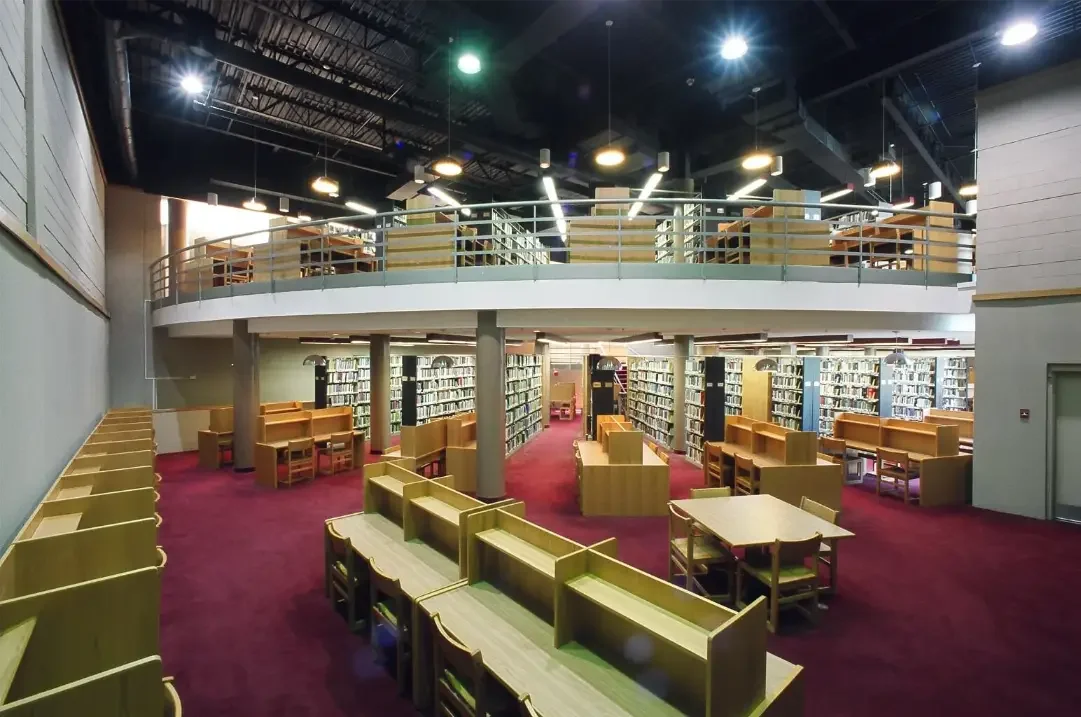
St. Joseph’s College Callahan Library Project
Universities and colleges face a unique challenge when undertaking construction projects: the work doesn't happen in a vacuum.
Unlike many facilities that can temporarily reduce operations during renovations or new construction, educational institutions must continue serving students, faculty, staff, and visitors every day. Classes continue. Campus events move forward. Administrative functions remain active. Students still expect safe, accessible, and productive learning environments.
As a result, construction in higher education settings requires more than technical expertise. It demands thoughtful planning, proactive communication, and a construction management approach designed to minimize disruption while achieving long-term institutional goals.
Projects such as the St. Joseph's College Callahan Library in Patchogue, NY, illustrate many of the challenges and considerations that accompany construction in active educational environments. The 25,000-square-foot, multi-level library facility was constructed during an active school year, requiring careful coordination to support ongoing campus operations throughout the project. The project included site preparation, new ground-up construction, custom radius railings, and a custom millwork package.
While every campus project presents its own set of circumstances, the lessons learned from educational construction remain remarkably consistent.
Educational Construction Is Different
Construction projects on active campuses operate within environments that are constantly in motion.
Students are attending classes, preparing for exams, utilizing campus resources, and participating in extracurricular activities. Faculty members require uninterrupted access to teaching and administrative spaces. Parents, visitors, and community members continue engaging with the institution throughout the academic year.
In these environments, construction teams must balance two important objectives:
Delivering a successful project.
Preserving the daily campus experience.
Achieving both requires a level of coordination that extends far beyond traditional construction management.
Success depends on understanding how the campus functions and integrating construction activities into that reality.
Challenge #1: Construction in an Active Environment
Perhaps the most significant challenge in educational construction is the fact that people continue occupying and using nearby facilities throughout the duration of the project.
Every day brings movement across campus. Students travel between classes. Faculty and staff maintain normal operations. Visitors navigate the grounds. Campus events continue according to schedule.
Construction teams must therefore develop strategies that allow work to proceed safely and efficiently without creating unnecessary disruption.
This often requires:
Careful site logistics planning
Controlled access points
Clearly marked pedestrian routes
Noise management considerations
Continuous monitoring of site conditions
For projects completed during the academic year, these considerations become even more critical. The construction team must remain mindful of both project needs and the educational mission of the institution.
Challenge #2: Safety and Access Management
Safety is always a top priority on construction projects. On active campuses, however, the challenge expands considerably.
Educational facilities serve large populations that may include:
Students
Faculty
Administrative staff
Visitors
Vendors
Community members
Because many of these individuals move throughout campus daily, construction teams must establish clear separation between active work zones and occupied areas.
Effective safety management often includes:
Strategic Site Boundaries: Clearly defined work areas help prevent unauthorized access while allowing campus operations to continue safely.
Temporary Pathways: Campus circulation cannot simply stop during construction. Safe pedestrian routes must often be maintained and adjusted as project phases progress.
Ongoing Monitoring: Conditions can change rapidly throughout a project. Continuous oversight helps ensure safety measures remain effective from beginning to end.
Communication: Safety improves when stakeholders understand where work is occurring and what changes may affect campus circulation.
The most successful projects treat safety planning as an ongoing process rather than a one-time exercise.
Challenge #3: Communication Across Multiple Stakeholders
Few project types involve more stakeholder groups than higher education construction.
A single project may include:
College leadership
Facilities personnel
Architects
Engineers
Construction managers
Faculty representatives
Department leaders
End users
Each stakeholder has different priorities, expectations, and concerns. Without a structured communication process, misunderstandings can quickly affect project timelines and decision-making.
Effective construction management creates clear lines of communication and establishes a framework for addressing challenges before they become larger issues.
Consistent communication helps ensure stakeholders remain informed, aligned, and confident throughout the project lifecycle.
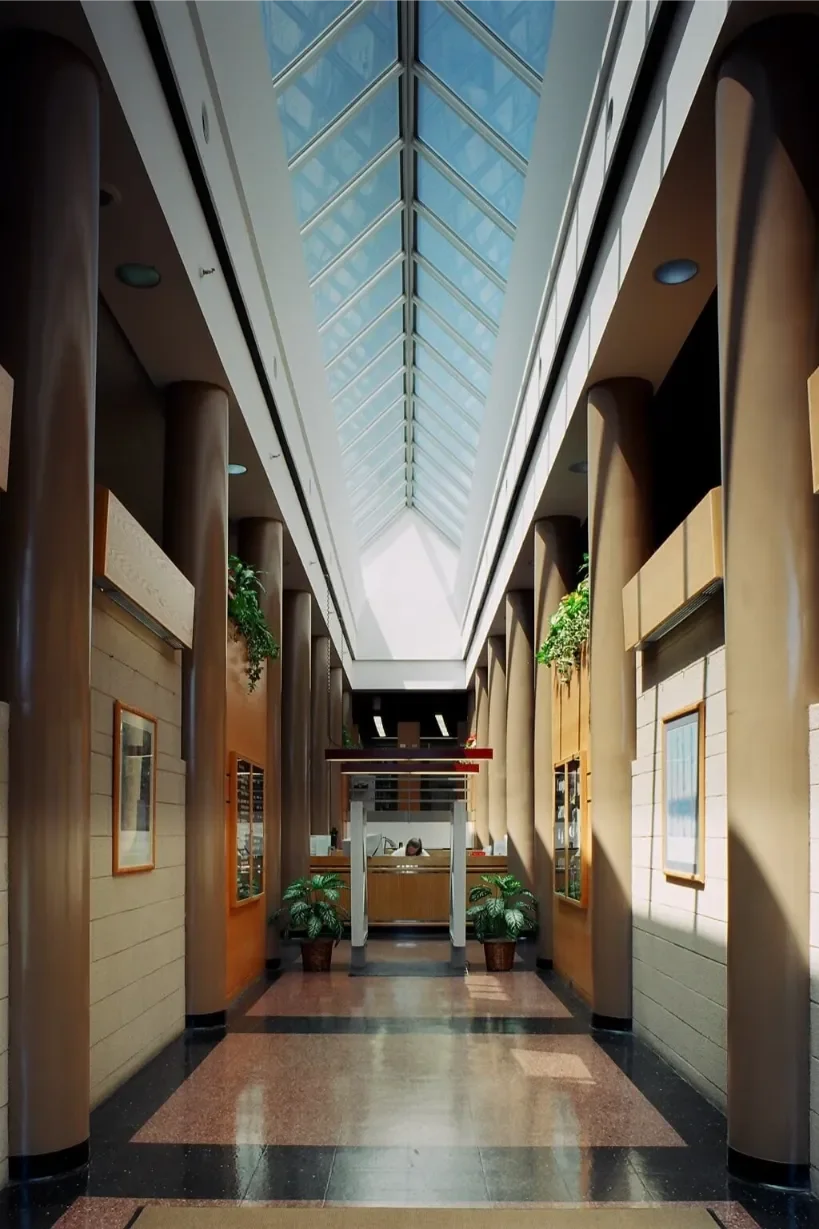
Schedule Discipline is Key
The goal is not simply to meet a construction deadline. It is to do so while supporting the broader needs of the institution.
Challenge #4: Schedule Discipline and Academic Calendars
Educational institutions operate on highly structured calendars. Classes start on fixed dates. Semester schedules create operational milestones. Campus events and student activities often cannot be rescheduled around construction work. This creates a unique relationship between project schedules and institutional priorities.
Construction teams must carefully sequence work to support project milestones while respecting operational requirements.
Strong schedule management includes:
Detailed planning before construction begins
Identification of critical milestones
Ongoing schedule monitoring
Proactive risk management
Early issue resolution
The goal is not simply to meet a construction deadline. It is to do so while supporting the broader needs of the institution.
Why Early Planning Matters
Nearly every successful higher education project shares one common factor: extensive planning before construction begins.
Early planning allows project teams to:
Identify logistical challenges
Evaluate site constraints
Establish communication protocols
Develop safety strategies
Coordinate project milestones
Prepare for campus operational requirements
The earlier these discussions occur, the more effectively project teams can respond to potential challenges.
For educational institutions, proactive planning often becomes the foundation for a successful project experience.
What Owners Should Look for in a Construction Partner
When selecting a construction management team for a campus project, experience matters. However, experience alone is not enough.
Educational institutions should seek partners who understand how occupied environments function and who recognize that construction must support, rather than disrupt, the institution's mission.
Key characteristics include:
Strong preconstruction planning capabilities
Experience working in occupied environments
Effective stakeholder communication
Detailed schedule management
Comprehensive safety programs
A collaborative problem-solving mindset
Success means delivering a project while preserving the campus experience throughout the process.
Construction in higher education environments requires a unique combination of planning, communication, safety management, and schedule discipline.
The St. Joseph's College Callahan Library project demonstrates many of these principles in action. Built during an active school year, the 25,000-square-foot, multi-level facility required careful coordination while delivering a new library space with custom architectural features and specialized finishes.
For colleges and universities investing in new facilities, the lesson is clear: successful projects are not defined solely by the finished building. They are defined by how effectively the project team manages the journey from concept to completion while allowing campus life to continue uninterrupted.