
Leisure as an Asset: Why Recreation Projects Drive Community Value
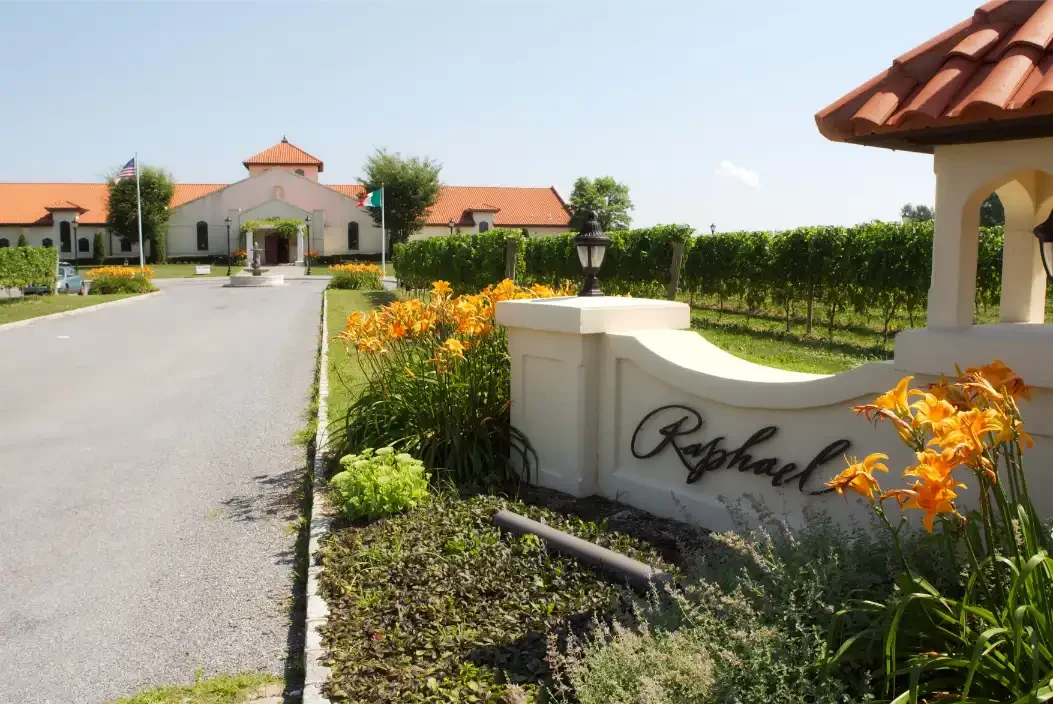
Raphael Vineyard, Winery, and Tasting Room in Peconic, North Fork of Long Island, NY
For decades, recreation facilities were often viewed as amenities, important additions to a community but rarely considered central to its long-term growth strategy. Today, that perspective is changing.
Across municipalities and regional markets, recreation assets are increasingly being recognized as critical infrastructure that supports economic development, community engagement, and quality of life. From athletic complexes and waterfront destinations to community centers, entertainment venues, and tourism-oriented attractions, these projects influence how people live, work, and interact with their communities.
The most successful recreation facilities do more than provide a place for people to gather. They create lasting value that extends far beyond the boundaries of the property itself.
Recreation Facilities Have Become Community Anchors
At their best, recreation projects become defining elements of a community's identity. They serve as gathering places where residents form connections, families create traditions, and organizations bring people together through shared experiences.
These spaces often become the backdrop for community events, local celebrations, youth programs, and civic engagement. In many cases, they help strengthen the social fabric of a region by creating opportunities for interaction that simply wouldn't exist otherwise.
This growing role has elevated recreation facilities from simple destinations into important civic assets. Communities are no longer investing solely in buildings or amenities. They are investing in places that foster engagement, pride, and a stronger sense of belonging.
The Economic Impact Extends Far Beyond the Project Site
While the social benefits of recreation facilities are significant, their economic influence is equally important.
Communities across the country are increasingly competing for residents, businesses, and skilled professionals. Factors such as quality of life, accessibility to recreation, and available community amenities now play a meaningful role in location decisions for both employers and employees.
A well-planned recreation facility can support these efforts by enhancing a community's attractiveness to prospective residents while encouraging existing families to remain and invest locally. At the same time, many recreation assets generate direct economic activity through tourism, events, and regional visitation.
Whether it's a sports venue attracting thousands of attendees, a waterfront attraction bringing new visitors to an area, or a destination facility supporting hospitality-related spending, recreation projects frequently create ripple effects that benefit local businesses, restaurants, retailers, and service providers.
Viewed through this lens, recreation infrastructure becomes much more than an amenity. It becomes part of a long-term economic development strategy.
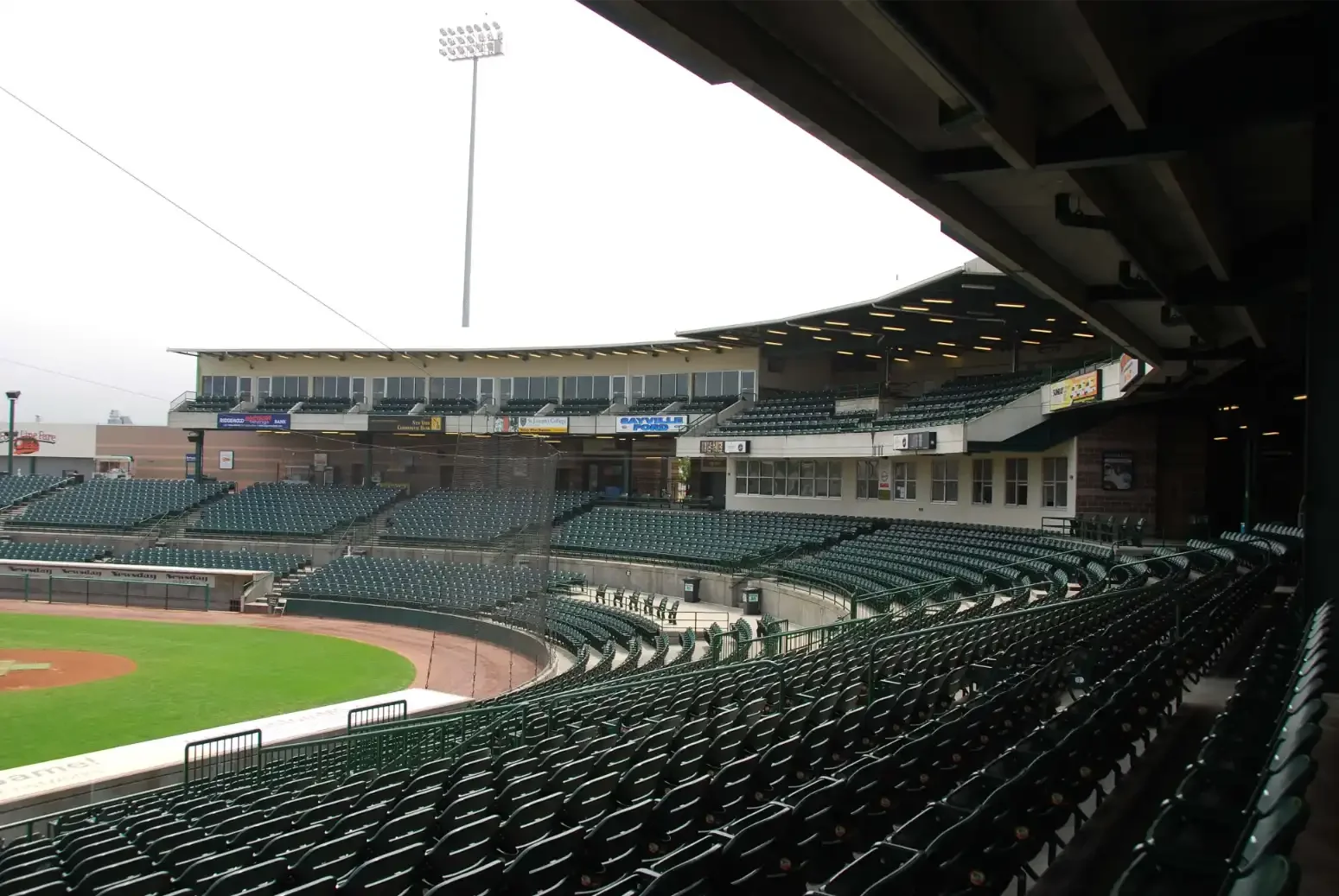
Ducks Stadium, Central Islip, Long Island, NY
Experience Shapes the Outcome
Understanding the long-term value of recreation infrastructure comes from more than industry observation. It comes from helping bring these projects to life.
At J. Petrocelli Contracting (JPC), recreation construction has included a range of highly specialized facilities that serve as economic engines and community destinations. From aquariums that rely on complex life-support systems and continuous operational performance to wineries that blend hospitality experiences with sophisticated production environments, these projects require far more than conventional construction expertise. JPC has also delivered stadium-related infrastructure where public safety, accessibility, utility demands, and high-volume visitor experiences must be carefully integrated from the earliest stages of planning.
Working across these diverse recreation environments provides a unique perspective on what makes these investments successful over the long term. While every facility serves a different purpose, they all share a common goal: creating spaces that deliver lasting value for the communities and organizations that depend on them.
Designing for Decades, Not Opening Day
One of the most important considerations in recreation construction is understanding that success is measured over decades, not months.
Community needs to evolve. Populations are growing. Programming changes. Facilities experience wear from continuous public use. As a result, the most valuable recreation assets are designed with long-term performance in mind from the very beginning.
Durability, operational efficiency, accessibility, and maintenance requirements should all be considered during planning and design. Facilities that can accommodate multiple uses and adapt to changing community demands often provide substantially greater value over their lifecycle than those designed for a single purpose.
This long-term perspective is especially important for public-sector projects, where every investment must demonstrate lasting value to residents and stakeholders.
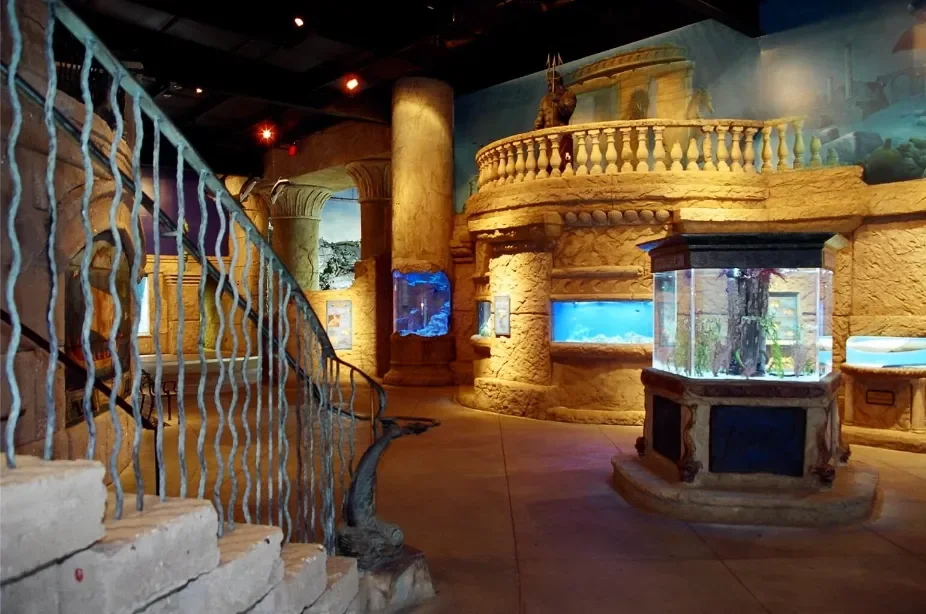
Long Island Aquarium, Downtown Riverhead, NY
Building Recreation Projects Requires Specialized Experience
Unlike many commercial construction projects, recreation facilities often operate under a unique set of challenges.
Public expectations are typically high, stakeholder groups are diverse, and schedules are frequently tied to seasonal programming, tourism cycles, or event calendars. Budget accountability also remains a top priority, particularly when public funding is involved.
Successfully navigating these challenges requires more than construction expertise alone. It demands collaborative planning, proactive communication, and a clear understanding of how the complete facility will ultimately serve its users.
The most effective project teams recognize that they are building more than physical structures. They are creating community assets that must perform reliably for decades while meeting both operational and public expectations.
Thinking Beyond Construction
For municipal leaders, developers, and community stakeholders, the conversation surrounding recreation projects should begin with a simple question: What role should this facility play in the future of the community?
Answering that question influences every decision that follows, from site selection and programming to design, budgeting, and construction.
When recreation facilities are approached as long-term investments rather than standalone projects, they have the potential to deliver benefits that extend well beyond recreation itself. They can support economic growth, attract new residents and visitors, strengthen community connections, and contribute to a higher quality of life for generations. The goal is to create an asset that continues delivering value long after construction is complete.
The success of a recreation project depends not only on the vision behind it, but also on the expertise of the team responsible for bringing that vision to life. Working with an experienced construction partner helps ensure that recreation investments deliver lasting value for residents, visitors, and future generations. Learn more about J. Petrocelli Contracting's recreation capabilities on their Recreational Construction Services page.